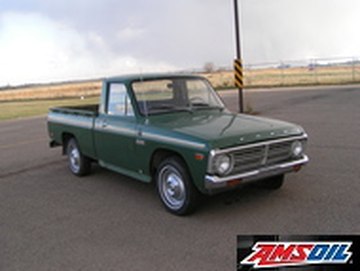
Maintaining Lubrication Standards for the 1981 Ford Trucks COURIER 2.3L
Proper engine maintenance is a cornerstone of vehicle longevity, particularly when managing an older light truck like the 1981 Ford Trucks COURIER. For vehicles of this era, staying proactive with fluid services and visual inspections helps ensure that mechanical components continue to operate as intended. While many aspects of automotive care are universal, focusing on the specific needs of the 2.3L engine requires an understanding of how to monitor current conditions and respond to changes in lubrication behavior.Monitoring Fluid Integrity and Potential Leaks
One of the most effective ways to oversee the health of a vehicle is through regular visual inspections of the engine bay and undercarriage. For the 1981 Ford Trucks COURIER, checking for signs of fluid seepage is a primary maintenance task. Rather than waiting for a significant loss of lubricant, owners should look for small traces of oil around sealing surfaces or on the underside of various components. If you notice wetness or dark staining in areas where fluids typically collect, it may indicate that a gasket or seal is beginning to age. Such observations do not necessarily mean an immediate failure is imminent, but they serve as important data points for future service planning. Additionally, checking the level and clarity of the engine oil during routine inspections can reveal if the vehicle is consuming more lubricant than expected. If the oil appears significantly darker or more viscous than usual, it may be a sign that the fluid has been subjected to high thermal stress or has exceeded its effective service life.Observing Changes in Engine Operation
Maintaining an older engine involves being attentive to how the vehicle behaves during different operating conditions. While many mechanical issues can have multiple underlying causes, certain symptoms warrant closer investigation. For example, if you notice unusual noises coming from the engine compartment that were not previously present, this could be associated with changes in lubrication or the condition of moving parts. Similarly, any unexpected odors—such as a burning smell—should be investigated promptly. Such scents can sometimes indicate that lubricant is contacting a hot surface, which may be caused by a leak from an upper component. It is also useful to monitor the dashboard for any warning indicators related to engine operation. If a warning light appears, it should be treated as a priority for diagnosis rather than being dismissed. By recognizing these subtle shifts in performance or appearance early, you can move from reactive repairs to more controlled, preventive maintenance.Prioritizing Maintenance Based on Current Condition
As vehicles age, the approach to service often shifts from following rigid schedules to assessing the actual condition of the machine. For a 1981 Ford Trucks COURIER, this means using the current state of the engine and its components to decide where to focus your efforts. If you are stepping into ownership of this vehicle without a complete service history, establishing a maintenance baseline is an excellent first step. This process involves:- Reviewing any available repair receipts or service logs to understand what has been addressed recently.
- Performing a thorough inspection of all fluids and their respective levels.
- Checking the condition of age-sensitive parts, such as accessible belts (if equipped) or hoses, for signs of cracking, glazing, or deterioration.
- Identifying any active leaks or minor issues that can be addressed before they escalate into larger mechanical concerns.
Managing Aging Components and Materials
Over several decades, various materials within an engine compartment undergo natural changes due to heat cycles and environmental exposure. For a 1981 Ford Trucks COURIER, it is practical to keep an eye on components that may become less resilient over time. This includes inspecting electrical connections for corrosion or ensuring that wiring remains secure and free of fraying. If the vehicle is equipped with various belts or hoses, these should be checked periodically for signs of hardening or surface cracking. While a component might appear functional, subtle changes in material flexibility can be an early indicator that it may eventually require replacement. Furthermore, keeping a consistent record of when fluids are changed and which parts are replaced allows you to track the lifecycle of these components, making it easier to predict when they might need attention again.The Role of Consistent Lubrication Management
Effective lubrication is essential for reducing friction and managing the heat generated during engine operation. For any internal combustion engine, the lubricant serves as a vital medium that helps maintain stable operating temperatures and protects surfaces from direct contact. Over time, lubricants can lose their effectiveness due to oxidation or contamination by combustion byproducts. Regularly replacing the oil ensures that the additives within the fluid—which are designed to manage deposits and provide stability—remain at effective concentrations. For older engines, some owners choose to look into high-mileage formulations. These specific types of oils often contain seal-conditioning additives intended to help maintain the integrity of aging gaskets and seals. While these are not a substitute for mechanical repairs, they can be a useful part of a long-term maintenance strategy for vehicles with higher usage.Practical Guidance for Buying Engine Oil for your 1981 Ford Trucks COURIER 2.3L
When it is time to replenish the lubricant in your engine, accuracy in selection is paramount. You should not rely on general automotive knowledge or assumptions based on the vehicle's age to determine which product to use. Instead, match the engine oil to the application-specific viscosity information already displayed on this webpage. Before finalizing your purchase, follow these practical steps:- Verify that the oil you are buying matches the specific viscosity grade listed in the application data for this 2.3L engine.
- Check the product label to ensure it meets the appropriate API (American Petroleum Institute) service classifications.
- Consider your preference for conventional, synthetic blend, or full synthetic oils, keeping in mind that you must always adhere to the viscosity requirements provided above.
- If the vehicle has high mileage and shows signs of aging seals, you may evaluate high-mileage formulations that include seal-conditioning additives.